
Skills and Strengths Are Not the Same Thing. Here Is Why It Matters.
You are scrolling through LinkedIn and see a job posting for a web developer role at ESPN. This is the one. You have been at CBS Sports for ten years. You know this industry. You grab your suit from the cleaners, get a fresh haircut, and print copies of your resume. You are ready.
The interview goes well. They ask about your strengths, your weaknesses, your technical abilities. You feel the energy in the room. Good culture fit. Strong answers. Nothing stopping you.
Three days later ESPN sends the email. They have decided to pursue other candidates.
You replay the interview in your head. You were honest. HTML, Java, Python. You mentioned you were still developing your frontend framework skills but improving consistently. You felt confident.
Here is what went wrong. You listed tools. You did not talk about yourself at all.
Technical skills are not your strengths. They are the instruments you use to express your strengths. The interviewer nodded, the conversation shifted, and you never filled in the most important blank: who you actually are underneath the tech stack.
This is not your fault.
When you went to school nobody taught you the difference between skills and strengths. LinkedIn has a skills section. There is no strengths section. Performance reviews focus almost entirely on skills — have you improved in this area, what skill needs the most development. The entire professional infrastructure is built around what you have learned, not what you were built for. Most people graduate, get hired, and spend their entire career optimizing the wrong thing.
The Difference
Here is how to see it clearly.
You are given a spreadsheet with 10,000 records. It does not intimidate you. You can do pivot tables and VLOOKUP formulas better than anyone on your team. You organize the data, build a chart, make it readable for the decision makers. That is a skill. A good one. But it can be learned by anyone with enough time and a training deck.
Now what if you looked at that same data and saw a story nobody else noticed? What if the numbers told you something about customer behavior that changed how the company approached its next product launch? That is a strength. The ability to interpret data in a way others cannot is not something you learned in Excel. It was already inside you. Excel is just the medium.
The same principle applies everywhere. My strength is not knowing Greenhouse, the applicant tracking system I use daily. My strength is understanding how a system runs end to end and figuring out how to make it work harder than anyone else does. Full life cycle recruiting inside one platform. Every stage optimized. That drive does not live in the software. It lives in me.
Strengths Evolve. Skills Expire.
Go back to our ESPN candidate. He learned to code. The language he learned first is not the language he uses now. BASIC, the first widely taught programming language, came out in 1964. Nobody is writing BASIC today. The developers who started there moved to Python, C#, Java, and whatever comes next. The skill changed completely. The strength — the compulsion to understand what a computer can do and push it further — never changed at all.
That is the thread. That is Career DNA.
Reid Hoffman built LinkedIn on one idea: your career is a startup and you are the founder. Every startup needs to know its competitive advantage. Most professionals cannot name theirs because they have confused it with their most recent skill set. Those are different things. Your competitive advantage is not your tech stack. It is the thing that makes you see what others miss.
My Own Example
I learned recruiting. I did not just learn how to source candidates. Today I can run a prompt in an AI agent and pull up dozens of qualified Strategy Directors in minutes. That is not recruiting. That is a skill.
My strength is understanding people. I can read what a hiring manager actually needs — not just what they wrote in the job description — and find the candidate who is looking for exactly what that manager can provide. That same strength showed up when I was selling houses. It showed up when I sold shoes at Bob’s Stores at eighteen years old. The tools changed with every job. The ATS, the MLS, the point of sale system. But the strength underneath all of it never did.
I connect people with opportunity. That is my competitive advantage. Not a software certification. Not a tool. A strength I have been using since before I knew what to call it.
Two Questions to Find Yours
You do not need a personality assessment or a career coach to find your strengths. Start with two questions.
What do you do that feels effortless while others find it genuinely hard? Not just something you are good at — something that feels natural while you watch colleagues struggle with the same task.
What do people come to you for regardless of your job title? Not what your manager assigns you. What do colleagues, friends, and former coworkers ask you for help with because they know you will see it differently than anyone else?
Your answers are pointing at your strengths. Everything else on your resume is a skill.
The Closing
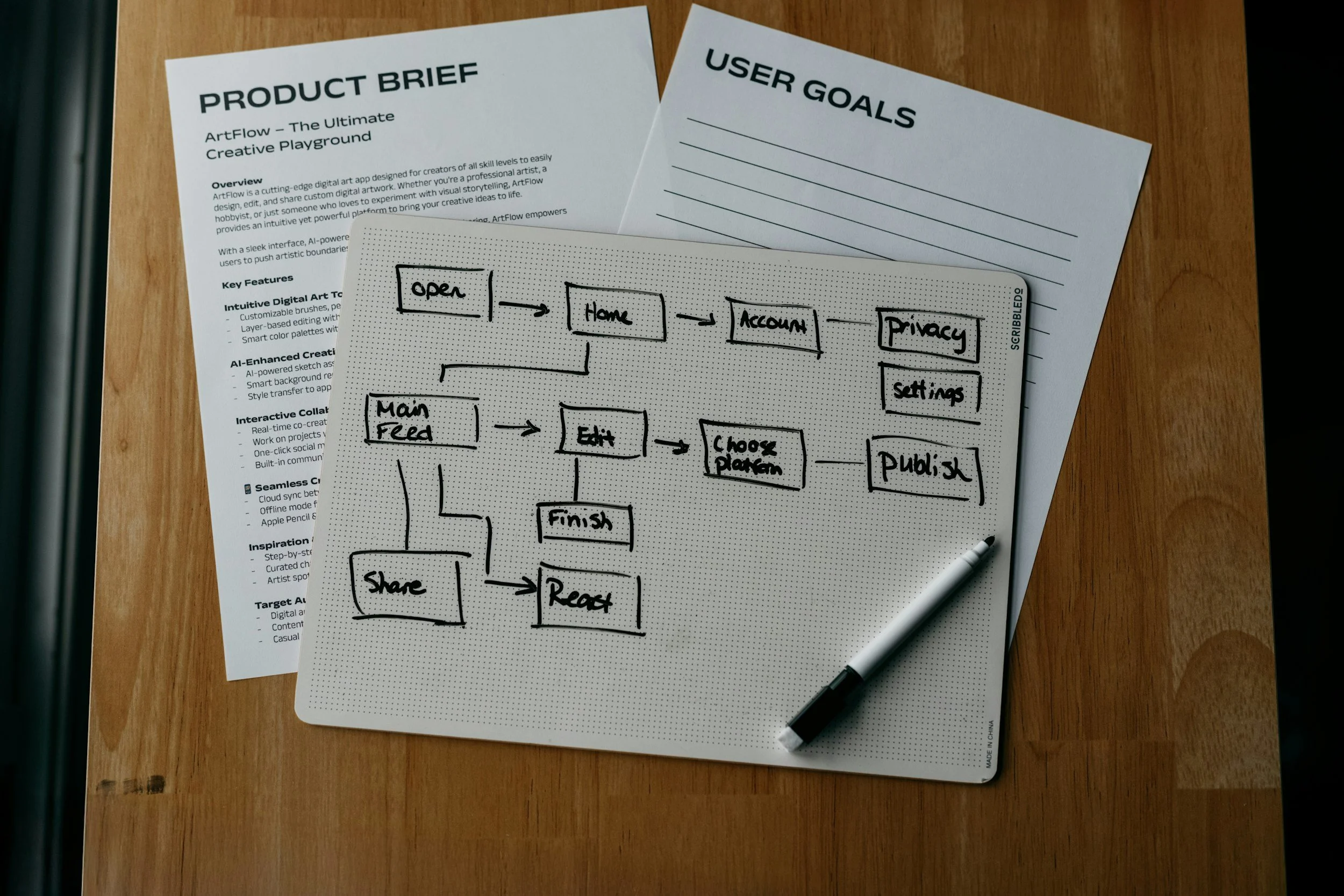
Your brief is not built on what you learned. It is built on what you were built for.
One belongs on your resume. The other belongs in every conversation you have about your career for the rest of your life.
Our ESPN candidate went back for a second interview at a different company six months later. Same technical background. Different answer when they asked about his strengths. He talked about his ability to see patterns in user behavior data that other developers overlooked. He talked about how that strength had shown up in every role he had ever held. He got the job.
Same skills. Different story. That is what a brief does.
What are you actually built for?
